Skip to content


4 Reasons Your Google Ads Clicks Are Down and How to Correct Them Systematically

When Google Ads clicks decline, most advertisers react in the wrong order. They adjust bids first, rewrite ads second, and question the platform last. That approach often worsens the problem.
A drop in clicks is not a surface issue. It is a signal created by the interaction between eligibility, reach, competition, and user behavior. Clicks only exist when impressions exist, impressions only exist when eligibility exists, and eligibility is governed by Quality Score, budgets, bidding logic, and competitive pressure.
Clicks down does not mean demand disappeared. It means something in the system shifted.
This article breaks down the four most common reasons Google Ads click volume declines, how to identify which one is responsible, and what actions actually restore stable volume without inflating cost.
Why Click Volume Matters More Than CTR Alone
Clicks are often dismissed as a vanity metric. That framing is incomplete.
From a performance standpoint, clicks represent future conversion probability. If an account converts at 2 percent, every 100 clicks statistically produces two conversion opportunities. When click volume drops by 40 percent, conversion opportunity also drops by 40 percent even if conversion rate stays flat.
CTR, or click-through rate, is calculated as clicks divided by impressions. CTR measures relevance alignment between query, ad, and user intent. Click volume measures exposure and participation in the auction.
Semantic relationship:
-
CTR measures relevance efficiency.
-
Impressions measure reach.
-
Clicks measure opportunity.
You can have a strong CTR and still lose clicks if impressions decline. You can increase bids and still lose clicks if Quality Score suppresses eligibility. Understanding which lever failed is the difference between recovery and wasted spend.
Reason One. Quality Score Decline Reduced Eligibility
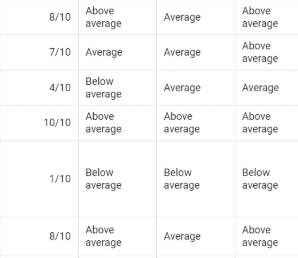
Quality Score is not cosmetic. It directly determines how often your ads are allowed to appear and how much you pay when they do.
Quality Score is composed of three factors:
-
Expected click-through rate.
-
Ad relevance.
-
Landing page experience.
Each keyword is graded independently. A drop in Quality Score does not affect an entire campaign evenly. It suppresses individual keywords first, then entire ad groups, then campaign-level volume.
Common causes of Quality Score decline include stale ad copy, broadened match types without corresponding ad relevance, and landing pages drifting away from query intent over time.
Semantic relationship:
-
Low expected CTR reduces auction eligibility.
-
Poor ad relevance reduces impression share.
-
Weak landing page alignment increases CPC and suppresses scale.
How to Diagnose It
Check the Quality Score column at the keyword level, not campaign level. Look for patterns, not isolated red flags. If multiple keywords dropped from average to below average in expected CTR or relevance, click loss is structural.
Also review impression share lost due to rank. A rising lost-to-rank percentage often correlates with Quality Score decay, not bidding weakness.
How to Correct It
Correct Quality Score in the order Google evaluates it.
-
Rewrite ads to directly mirror query language and intent.
-
Tighten ad group keyword themes so ads answer fewer questions more precisely.
-
Align landing page headings, above-the-fold content, and load speed with the keyword intent.
Do not increase bids to compensate for Quality Score. That treats the symptom while amplifying cost.
Reason Two. Impressions Declined Due to Reach Constraints
If CTR is stable but clicks fell, impressions are the failure point.
Impressions decline when the system restricts reach. This happens even in high-demand markets.
The most common causes are bidding misalignment, budget throttling, seasonality, and negative keyword conflicts.
Semantic relationship:
-
Budget limits constrain exposure.
-
Bidding targets constrain eligibility.
-
Negative keywords constrain matching.
Bidding Strategy Misalignment
Automated bidding strategies require realistic targets. If a campaign historically converts at a $120 CPA and the target CPA is set to $60, the system restricts impressions to protect the goal. This restriction happens immediately.
The same applies to ROAS targets that exceed historical performance. The system reduces exposure rather than overspending.
Budget Throttling
Daily budgets do not cap cost evenly. They cap participation. Once a campaign exhausts its daily allocation, impressions stop regardless of demand.
Review impression share lost due to budget. If this metric rises while CTR stays flat, click loss is budget driven, not performance driven.
Negative Keyword Conflicts
As match types loosen, negative keywords grow more dangerous. Phrase and broad negatives often block valid queries unintentionally.
Review the search terms report alongside negative lists. Look for queries that should have triggered ads but did not.
How to Correct It
-
Align CPA or ROAS targets with historical averages first, then tighten gradually.
-
Raise budgets selectively on campaigns that convert, not across the account.
-
Audit negative keywords monthly, not reactively.
Impression recovery precedes click recovery. Fix reach before optimizing ads.
Reason Three. Ad Changes Triggered Learning Volatility
New ads often reduce clicks temporarily. This is expected behavior, not failure.
When ads are replaced or rotated aggressively, campaigns reenter learning. During this phase, the system explores combinations and reallocates traffic. CTR often drops before stabilizing.
Semantic relationship:
-
Ad changes reset learning.
-
Learning reduces predictability.
-
Reduced predictability reduces clicks short term.
Common Mistakes
The most damaging mistake is pausing all legacy ads at once. This removes historical performance anchors and forces the system to relearn from zero.
Another mistake is judging new ads within days instead of weeks. Early performance rarely reflects long-term outcome.
How to Correct It
-
Run new ads alongside proven ads.
-
Change one variable at a time.
-
Allow statistically meaningful data before pausing losers.
Ad testing is not about creativity. It is controlled experimentation.
Reason Four. Competitive Pressure Increased
Competition does not stay static. Budgets, offers, and messaging evolve constantly.
Competitors influence your click volume through higher bids, better ad rank, stronger offers, and expanded assets.
Semantic relationship:
-
Higher competitor bids reduce impression share.
-
Better offers increase competitor CTR.
-
Expanded assets reduce your visible real estate.
How to Identify It
Use auction insights to monitor overlap rate and position above rate. Rising overlap combined with declining top-of-page rate indicates competitive encroachment.
Also review ad previews manually. Promotions, pricing callouts, and stronger value framing often explain click loss better than bid metrics.
How to Respond Strategically
Outbidding competitors is one option, not the default. More sustainable responses include:
-
Improving offer clarity.
-
Expanding ad extensions to increase footprint.
-
Refining message alignment to specific intent stages.
Competition rewards relevance before budget.
A Diagnostic Framework for Restoring Click Volume
Click drops require diagnosis, not panic.
Use this sequence:
-
Check Quality Score trends at the keyword level.
-
Review impression share lost to rank and budget.
-
Audit recent changes to ads, bids, or targets.
-
Analyze auction insights and competitor messaging.
Each step isolates a different failure mode. Skipping steps leads to incorrect fixes.
The Goal Is Qualified Visibility, Not Raw Clicks
More clicks without intent increase cost without return. Fewer clicks with stronger alignment outperform inflated volume long term.
Click recovery succeeds when relevance, reach, and competitiveness are restored together.
Clicks return when the system trusts your ads again. Want more information? Get in touch with 417boom today!