 Skip to content

Is Web Design a Coding? Explore the Basics of Web Development and Website Design
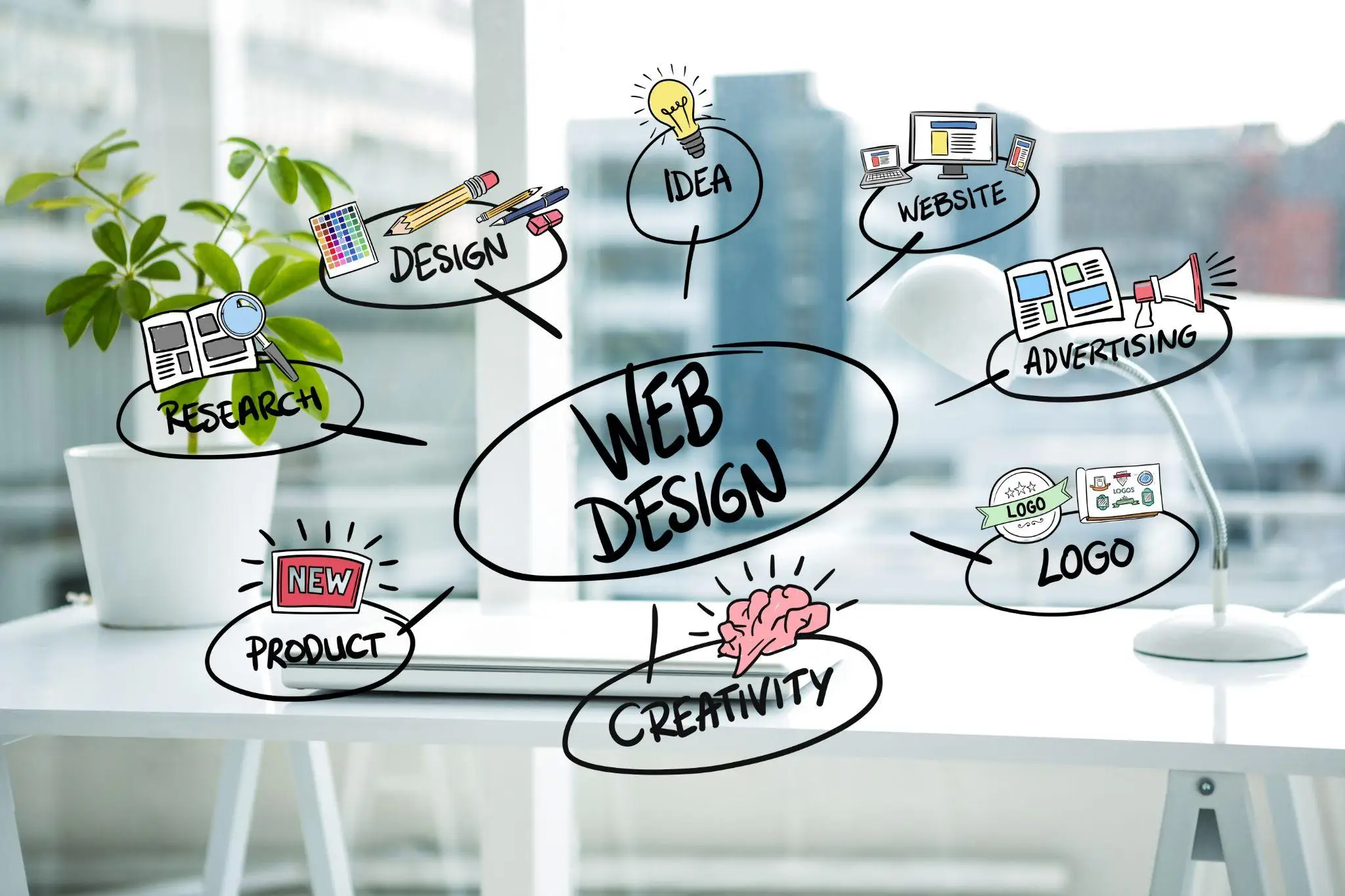
Think of website design as a canvas where art meets technology. So, is web design a form of coding? The answer is yes. A modern web designer blends creativity with technical skills, using html and css, typography, and thoughtful design principles to bring a website to life. It’s not only about the aesthetics of a responsive site but also about functionality, ensuring that every detail from form elements to visual design enhances user interaction.
But how exactly do design and coding come together to create websites that are both beautiful and effective? Let’s uncover the basics of web design and web development, explore the skills you need to design a website that stands out, and learn why understanding coding can elevate your entire web design career.
Understanding Website Design
Have you ever wondered what makes a website effective? Website design goes beyond looks; it’s about creating an easy to use, engaging user experience design that keeps visitors coming back.
When approaching design and layout, think about how visitors interact with your site. Clear navigation, accessible form elements, and balanced visual elements help users flow naturally through your content. Typography and web fonts set the tone, while color theory reinforces your brand and guides emotions.
Mobile browsing dominates the web today, so a mobile-first strategy is essential. Designing with screen size adaptability in mind ensures that your responsive site looks and performs well whether viewed on a phone, tablet, or desktop.
Ultimately, the goal is to blend structure, hierarchy, and visual design with functionality so your website communicates its purpose instantly. This focus on enhancing user experience makes your work stand out in the crowded digital environment.
The Role of Coding in Website Design
A successful career in web design depends on understanding the role of coding in making your vision real. Even though design is creative, coding gives you the tools to execute your ideas. Languages like HTML and CSS form the backbone of every website. With them, you control everything from text and images to built-in grids and visual elements.
- HTML and CSS: These foundational skills define structure, color, typography, and layout.
- JavaScript: Adds interactivity, supporting animations, dynamic form elements, and responsive adjustments.
- Scalable Vector Graphics (SVGs): Keep visuals crisp at any screen size while supporting 2D detail and interactivity.
Understanding how these technologies work together helps you design websites that maximize creativity and functionality. Without coding, a website would lack the ability to evolve, iterate, and deliver the flexible experiences users expect.
Essential Coding Skills for Web Designers
To become a web designer capable of excelling in the digital world, you’ll need more than creativity, you need coding knowledge. A responsive site requires you to know what you need to know about html and css, programming, and modern tools.
Key skills include:
- Structure and Hierarchy: Organizing information so users can easily find what they’re looking for.
- Mobile-First Design: Ensuring layouts adjust to every screen size.
- SEO Optimization: Creating a website using best practices so search engines can find and rank your content.
- Form Elements and Interactivity: From checkboxes to contact forms, these details enhance usability.
- Flexibility Across Platforms: Designing with adaptability in mind to keep websites relevant and functional as technologies evolve.
Developing these skills strengthens your portfolio, showing employers and clients that you can design responsive, scalable, and visually compelling websites.
Visual Design Tools in Web Design
Once you understand coding, you can use visual design tools to bring your content to life. These platforms help you refine your design principles, test web fonts, and create visual elements that capture attention.
Popular tools include:
- Adobe XD: Great for sketching interactive prototypes and testing navigation.
- Figma: A collaborative platform where teams can iterate together in real-time.
- Canva: Provides templates that make it simple to create engaging designs without deep technical knowledge.
Combining these tools with your coding skills allows you to create websites that are both attractive and easy to use, enhancing the user experience design while keeping your work consistent and professional.
The Importance of User Experience
In web design, user experience design (UX) is everything. A great-looking site without solid UX fails to deliver. A well-crafted UX means:
- Clear Hierarchy: Prioritizing information through typography, color theory, and structured design and layout.
- Fast and Responsive Site: Optimizing for every screen size with a mobile-first mindset.
- Accessible Visual Elements: Using text and images, svgs, and form elements that support easy interaction.
Focusing on UX not only keeps users engaged but also supports SEO, as search engines prioritize websites that provide a smooth, intuitive experience.
Layout and Color Theory in Web Design
Designers who understand color theory and typography can evoke emotions, highlight important content, and create memorable online experiences.
- Grid-Based Layouts: Keep structure clean and ensure aesthetics are consistent.
- Hierarchy Through Color: Contrasting shades and sizes emphasize important elements.
- Balance Between Text and Images: Ensures visual design feels professional and polished.
Incorporating these design principles creates websites that feel balanced and intentional, showcasing your ability to maximize both looks and functionality.
Bridging the Gap Between Design and Development
To succeed as a web designer, you must bridge the creative side with the technical. Knowing how to program in html and css helps you communicate clearly with developers, ensuring your vision translates correctly into code.
- Design and Layout: Build a strong base.
- Programming: Add the visual elements and functionality users expect.
- Collaboration: Use shared platforms like Figma or Trello to iterate and evolve designs seamlessly.
This balance ensures that every project delivers not only beauty but also smooth performance.
Benefits of Knowing Coding as a Web Designer
Coding knowledge sets you apart in the competitive web design career field. It allows you to:
- Customize layouts and visual design without relying solely on developers.
- Troubleshoot quickly when websites don’t display correctly on every screen size.
- Incorporate scalable vector graphics, animations, and form elements.
- Build a stronger portfolio, showing clients you can handle design and functionality.
Understanding coding also supports SEO, since you’ll be able to implement website using best practices that help your sites rank higher.
Common Misconceptions About Web Design and Coding
There are many myths about web design:
- Web Designers Don’t Code: In reality, many use html and css and even light programming to enhance designs.
- Design and Coding Are Separate: The truth is, effective websites require both.
- You Must Be an Expert Programmer: A foundational knowledge of languages like HTML and CSS is often enough to create effective, interactive websites.
Breaking these misconceptions can open more opportunities in your career in web design.
The Future of Web Design and Coding Integration
As the digital world evolves, web design tools continue to adapt. Many modern platforms offer built-in features that support drag-and-drop interfaces, responsive templates, and supports interactivity without requiring extensive coding knowledge.
Still, a strong foundation in html and css, design principles, and typography ensures you can adapt and iterate as trends evolve. A successful web design career today blends code-free tools with traditional skills, ensuring flexibility across platforms.
Take Your Website Design to the Next Level with 417Boom!
At 417Boom, we specialize in website design that balances creativity, coding, and SEO to help businesses succeed in the digital environment. Whether you need a responsive site, a stunning portfolio website, or a complete overhaul to stay up-to-date with the latest trends, we’re here to help.
Ready to build a website that attracts and converts? Schedule your free consultation with us today and let’s bring your content to life.

